10 things to buy before you start your first garden
You can spend two thousand dollars at a garden center and still have a hard first year. Here's what really earns its place in my garden, and what I'd happily let wait until year two.
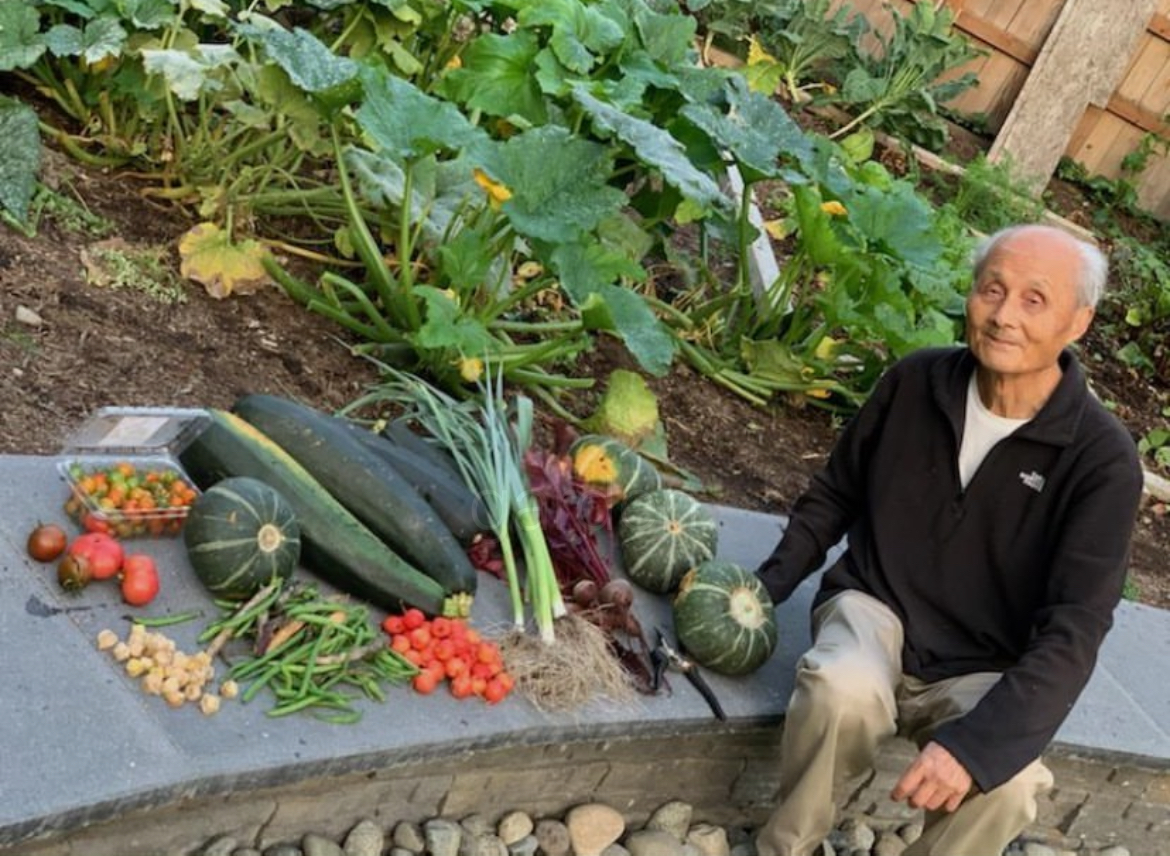
Here's the honest truth about garden gear: almost none of it is the reason a garden succeeds. Sun, soil and steady water do nearly all the work. But a handful of things genuinely save you time and heartache, and a few quietly decide whether your plants make it. Those are the ones I've put on this list.
The ten
Good soil or compost, the biggest line item, and worth it
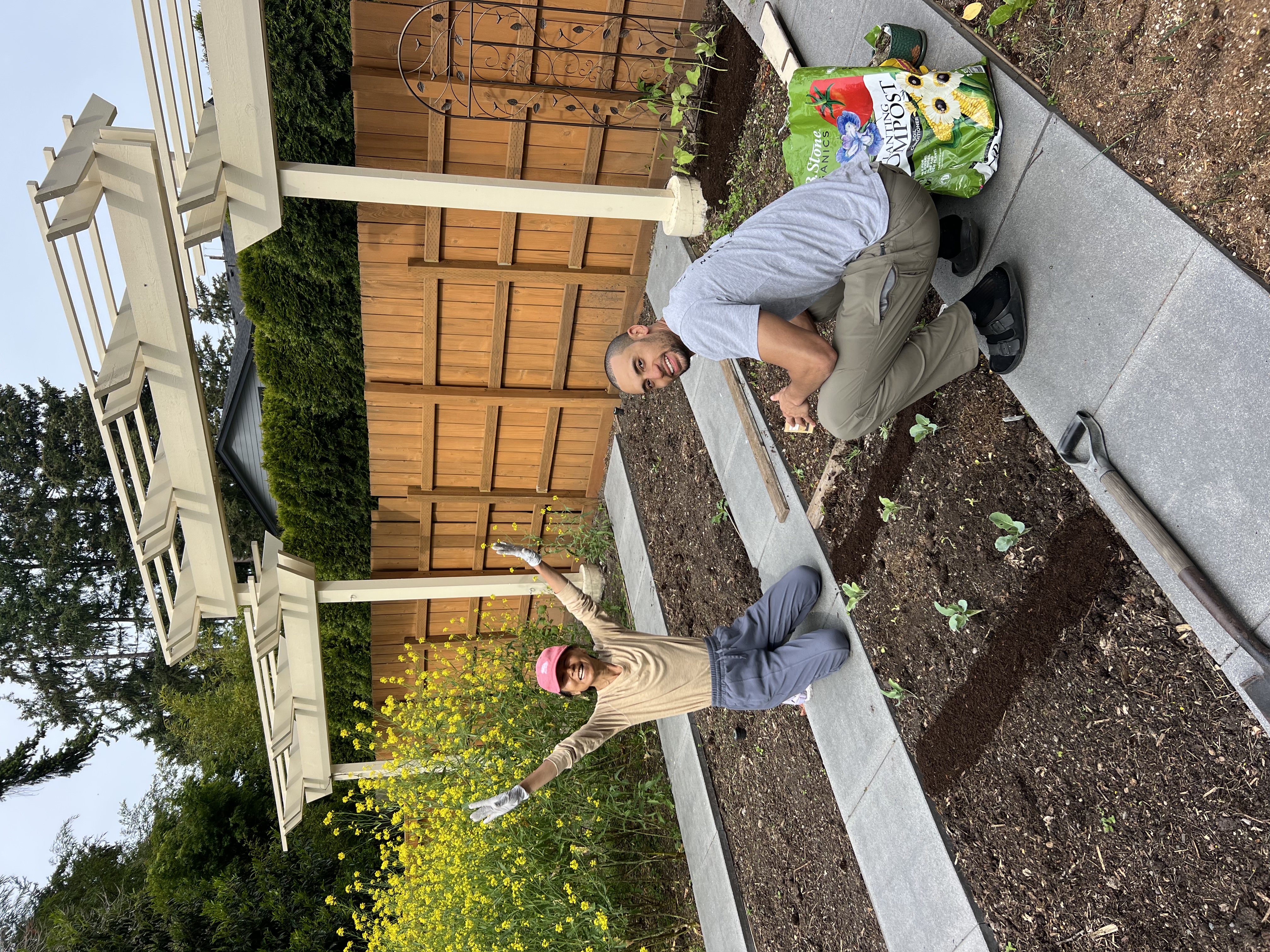
If you splurge on one thing, let it be this. Bagged "garden soil" from a big-box store is mostly bark fines and will sink and starve. Order bulk compost or a raised-bed blend from a local landscape supply, it's cheaper per yard and dramatically better. Budget more here and less on tools.
A soaker hose or drip line, plus a $15 timer
More first gardens die of inconsistent watering than anything else. Hand-watering works right up until the week you travel or it hits 95°. A soaker hose threaded through the bed and a hose-end timer removes the single most common failure point for about forty dollars.
A hori hori knife
One tool that digs, plants, divides, weeds, cuts twine and slices open bags of soil. It replaces a trowel, a weeder and a knife. Get one with a wooden handle and a depth-marked blade; it'll outlast every plastic tool you own.
Bypass pruners, the real ones
Bypass, not anvil: two blades that cross like scissors, so they cut living stems cleanly instead of crushing them. Felco or Okatsune if you want to buy once. Cheap pruners are the tool people replace most often and complain about most.
Gloves that actually fit your hands
Baggy gloves come off within ten minutes, and then you're gardening barehanded and quitting halfway through. Nitrile-dipped, snug, two pairs so one can dry. This is a ten-dollar purchase that changes how long you stay outside.
Supports, bought before you need them
Tomato cages, bean poles, a length of cattle panel. Everyone underestimates this and ends up tying a six-foot tomato to a bamboo stake in August. Buy sturdier than looks necessary in May, and put supports in at planting time so you're not driving stakes through established roots.
Mulch, straw, leaves or arborist chips
Two or three inches on top of the soil cuts watering roughly in half, suppresses most weeds and keeps soil temperature steady. Arborist chips are often free if you ask a local tree crew. Nothing on this list does more for less money.
Labels and a pencil
You will not remember which tomato was which. Pencil on wood or plastic stakes outlasts every marker, which fades to blank by July. Write the variety and the date you planted, the date is what makes next year smarter.
Whatever keeps your animals out
Deer, rabbits, squirrels, or a dog. Find out what you have before you plant, not after. Netting, a short wire fence, or hoops over the brassicas. One unprotected night can end an entire bed of seedlings.
A harvest basket you like carrying
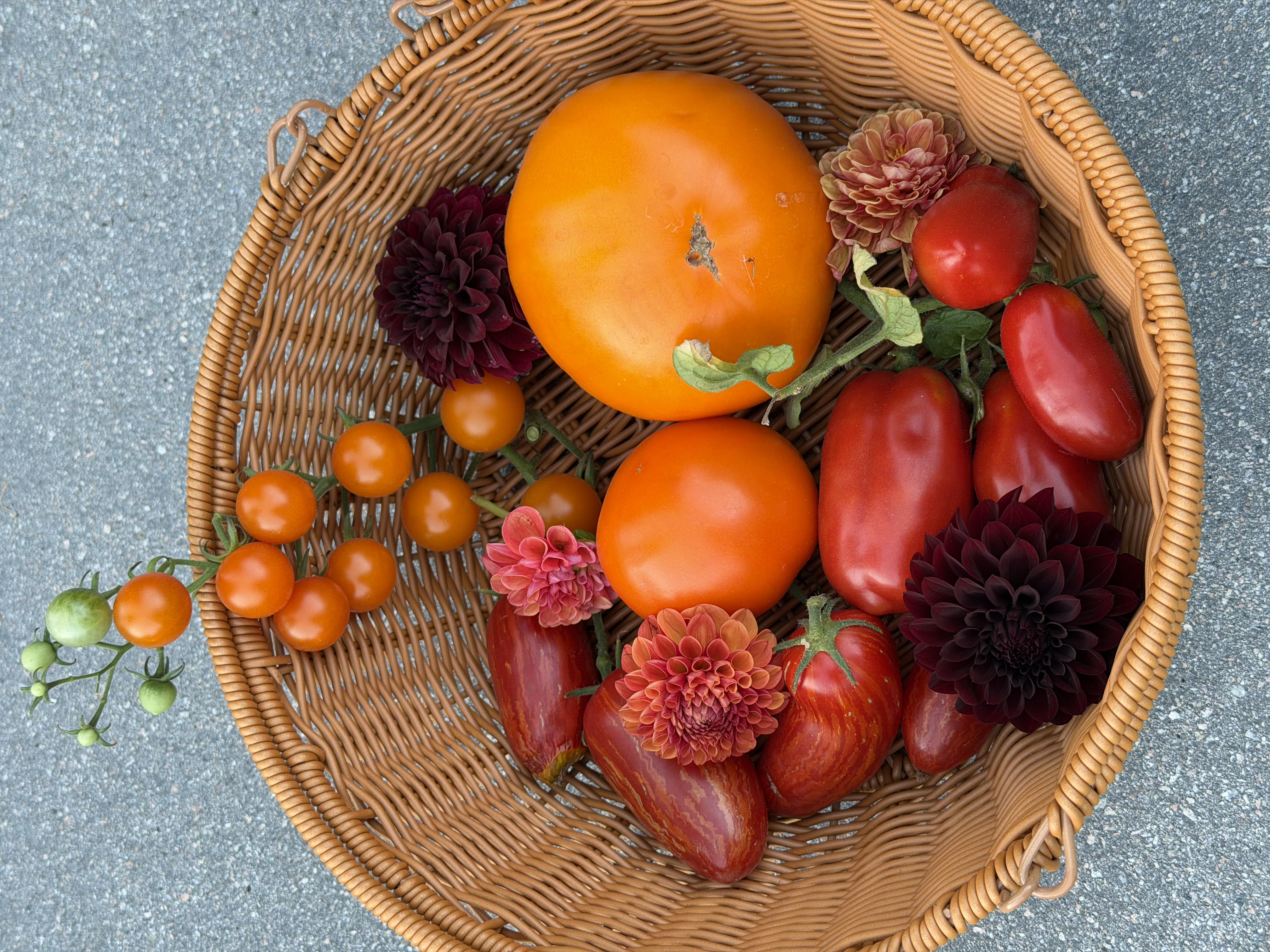
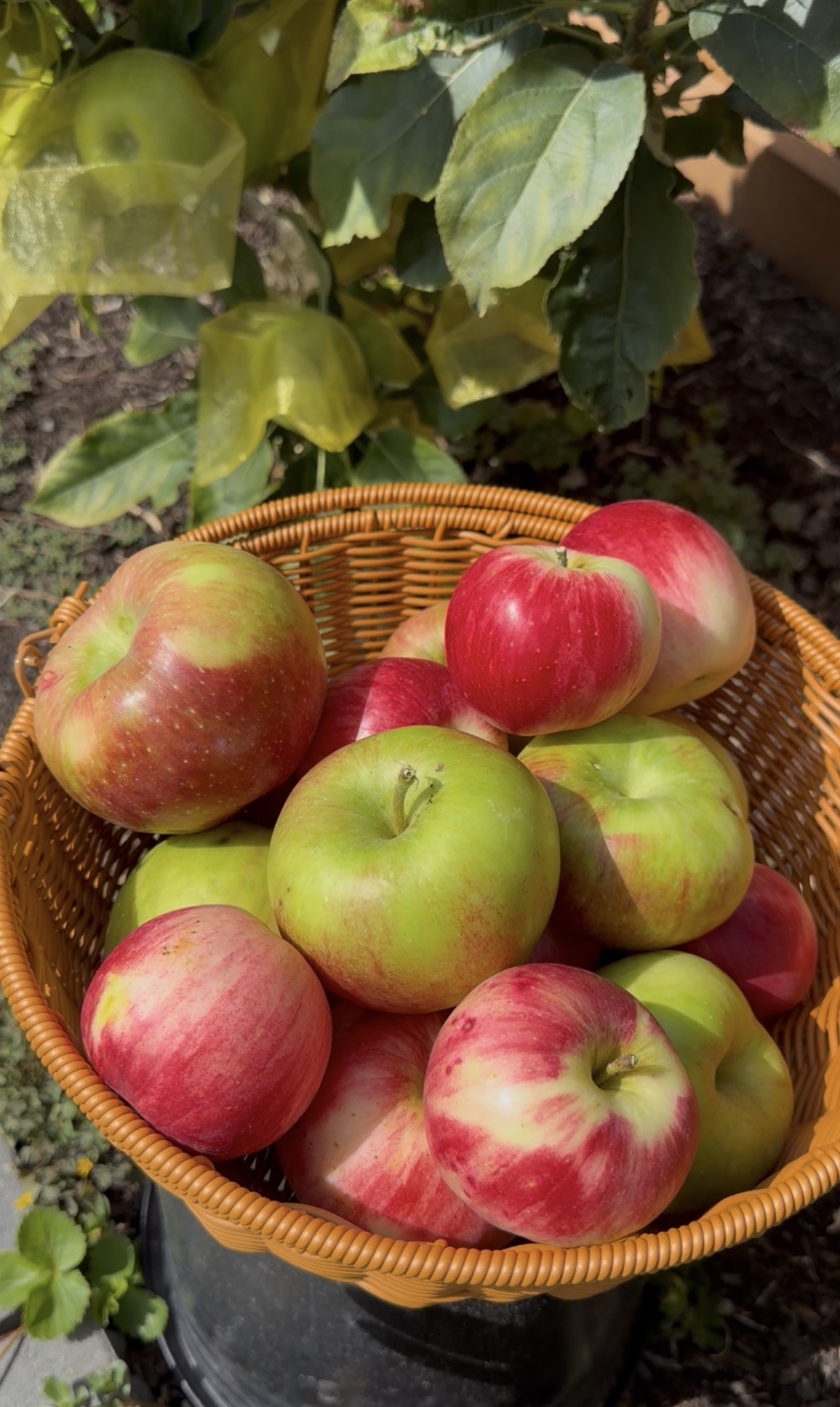
Sentimental, I know, and I stand by it. A basket by the back door is a small invitation to go out and look at the garden every evening, which is really how you catch problems early and pick things at the right moment.
“If your budget is tight, buy soil and mulch. Borrow the tools. Plants don't care how nice your pruners are.”
What I'd skip in year one
Not bad things, just not first-year things.
You'll use three of them. The rest live in the garage forever.
Tilling breaks up soil structure and wakes up a decade of weed seed. Layer compost on top instead.
Buy starts your first year. Learn to keep plants alive before you learn to birth them.
One balanced organic granular is plenty. Good compost already feeds most vegetables.